
Non-Renewable Resources
Non-Renewable Resources are natural resources that cannot be replenished quickly once they are used. They are formed over millions of years from geological processes.Examples include coal, oil, and natural gas, which are mainly used for energy and industrial purposes. Because these resources are limited, it is important to use them carefully and explore alternative energy sources.
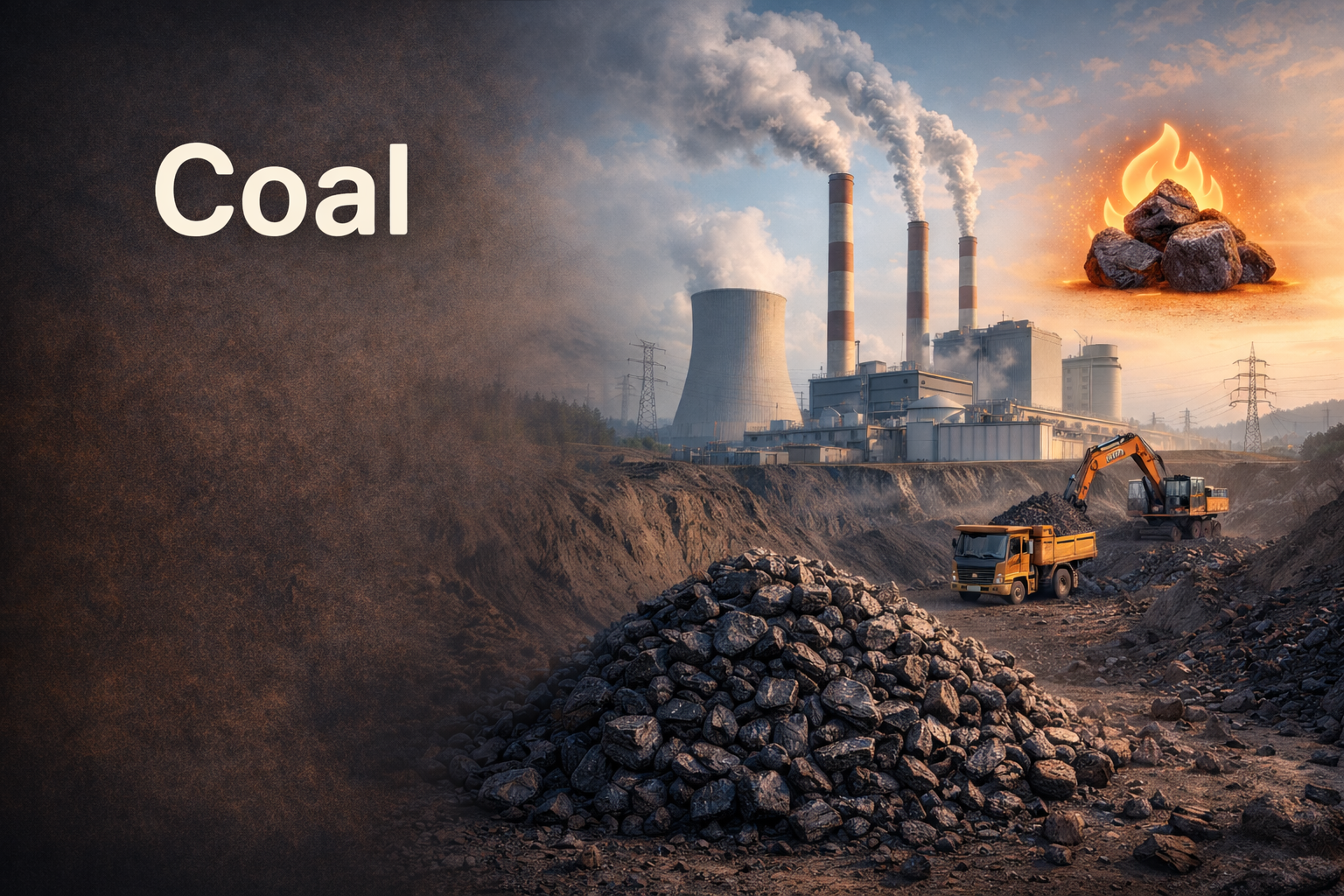
coal Energy
Solar energy is power obtained from sunlight using solar panels. It is a clean and renewable source that helps reduce pollution and dependence on fossil fuels.
However, coal energy also produces carbon emissions that affect the environment.
Many homes, schools, and industries are now using solar panels for power.
Wind Energy
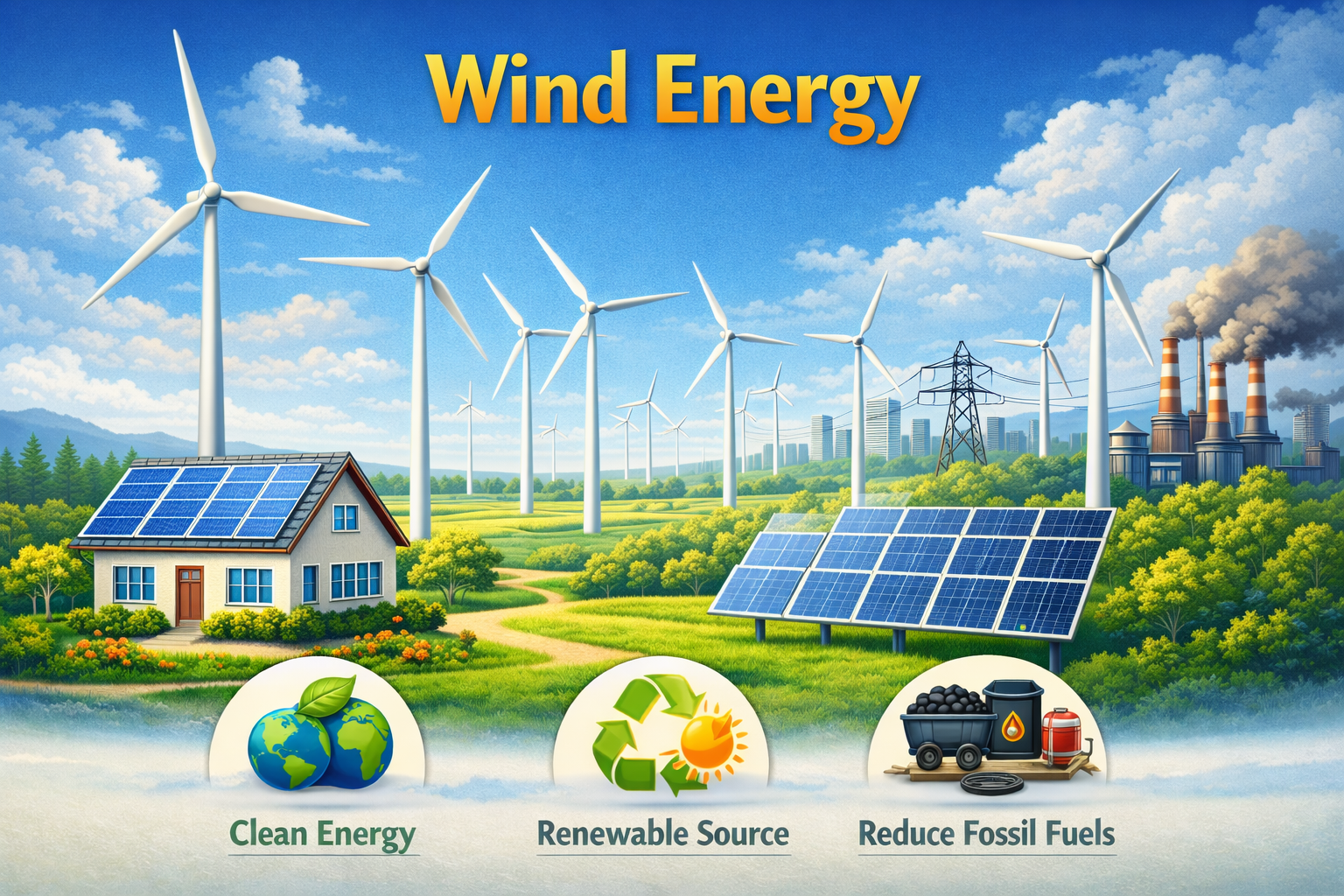
Wind energy is generated by using wind turbines that convert wind into electricity. It is an eco-friendly energy source that produces power without harming the environment.
Wind energy helps save natural resources and protect the environment.
Large wind turbines are usually installed in open fields or coastal areas.
Water
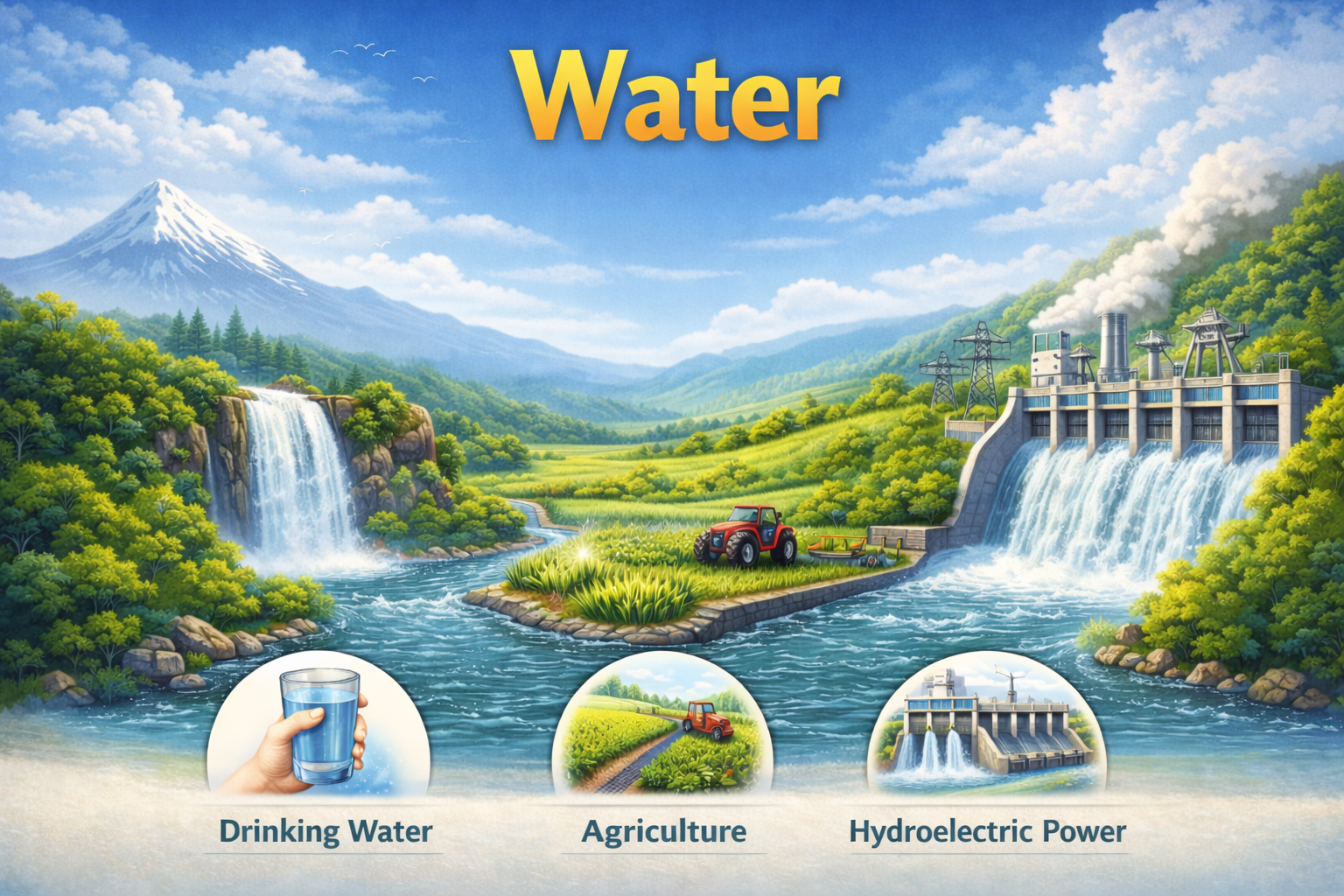
Water is an essential natural resource used for drinking, agriculture, and generating hydroelectric power.It supports life on Earth and plays a major role in maintaining ecosystems.
Water is a very important natural resource for all living things.
We should save water and use it carefully for the future.
Humans, animals, and plants need water to survive.It is also used to generate hydroelectric power using dams.
Forests
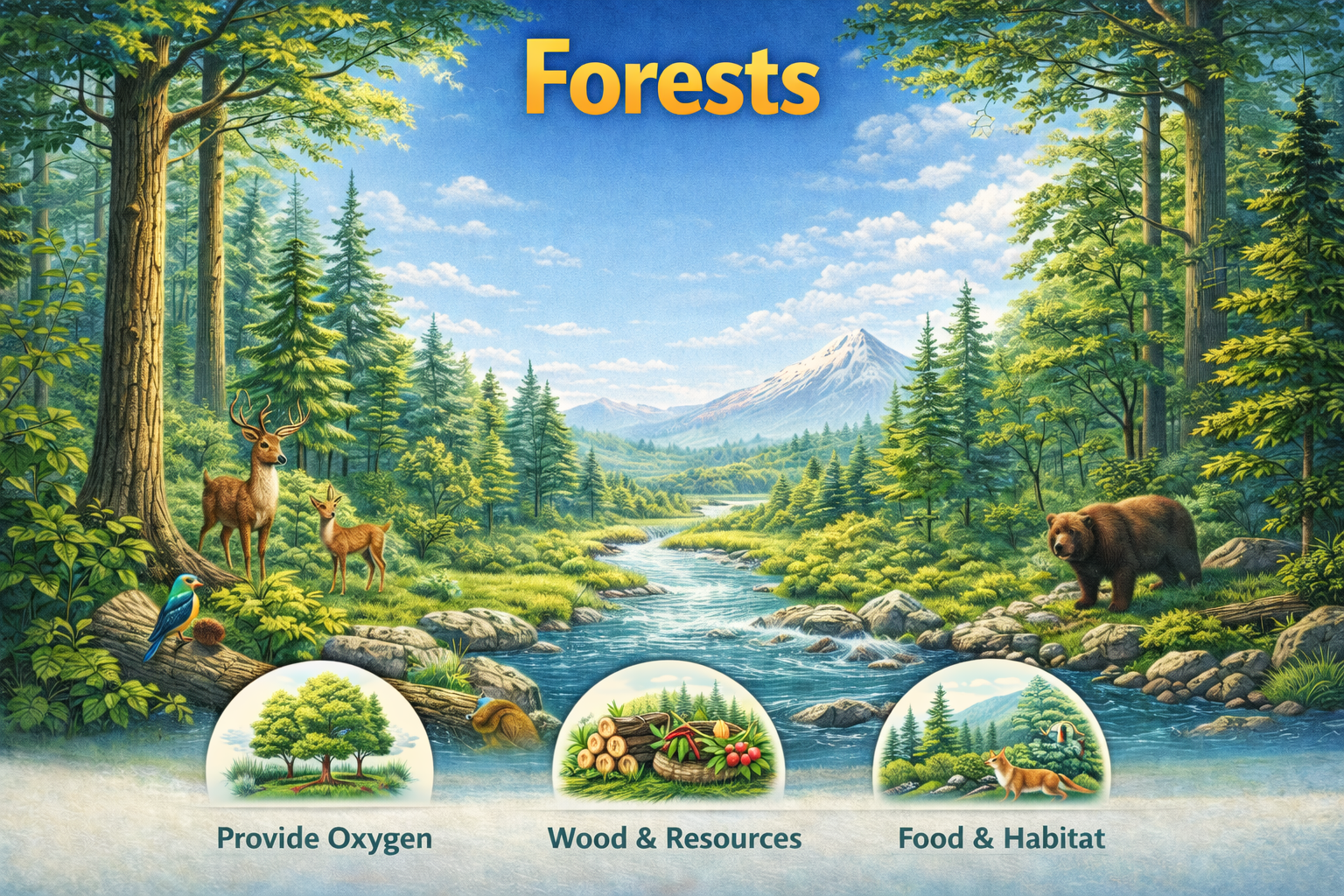
Forests provide oxygen, wood, food, and habitat for wildlife.
They help regulate climate, maintain biodiversity, and protect soil and water resources.
Forests are large areas covered with many trees and plants.
Forests are the home for many animals, birds, and insects.
We should protect forests to keep nature healthy. 🌍🌿
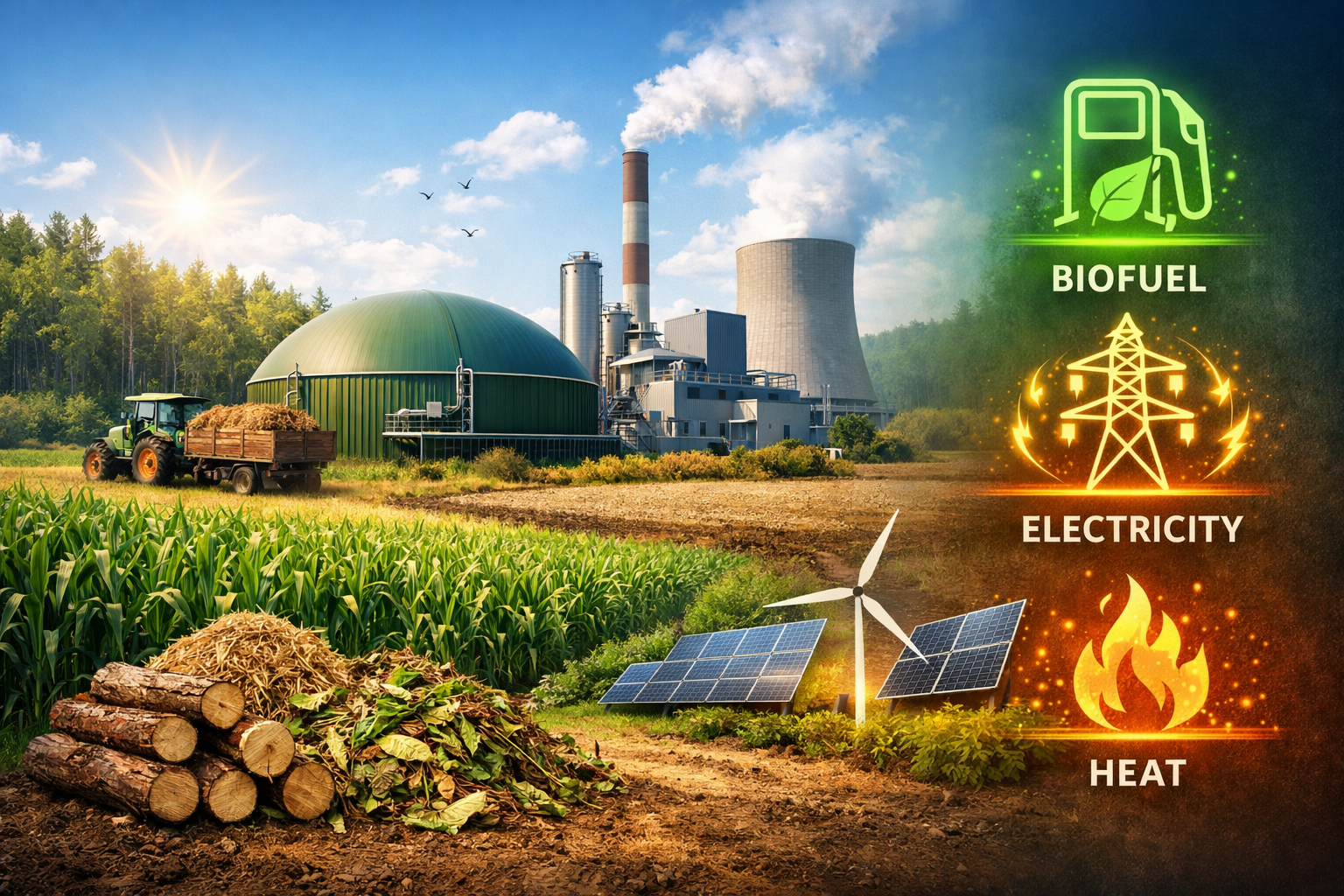
Biomass
Biomass is organic material like plants and agricultural waste used to produce energy.
It is a renewable resource that can generate fuel, electricity, and heat.
Biomass is organic material obtained from plants, wood, and agricultural waste.
Biomass can be converted into biofuel, electricity, and heat energy.
Using biomass supports clean and sustainable energy production.